Digital health adoption is rarely blocked by technology alone. It is blocked by misaligned value narratives. The same evidence can look compelling to a clinician and irrelevant to a manager if it is framed incorrectly.
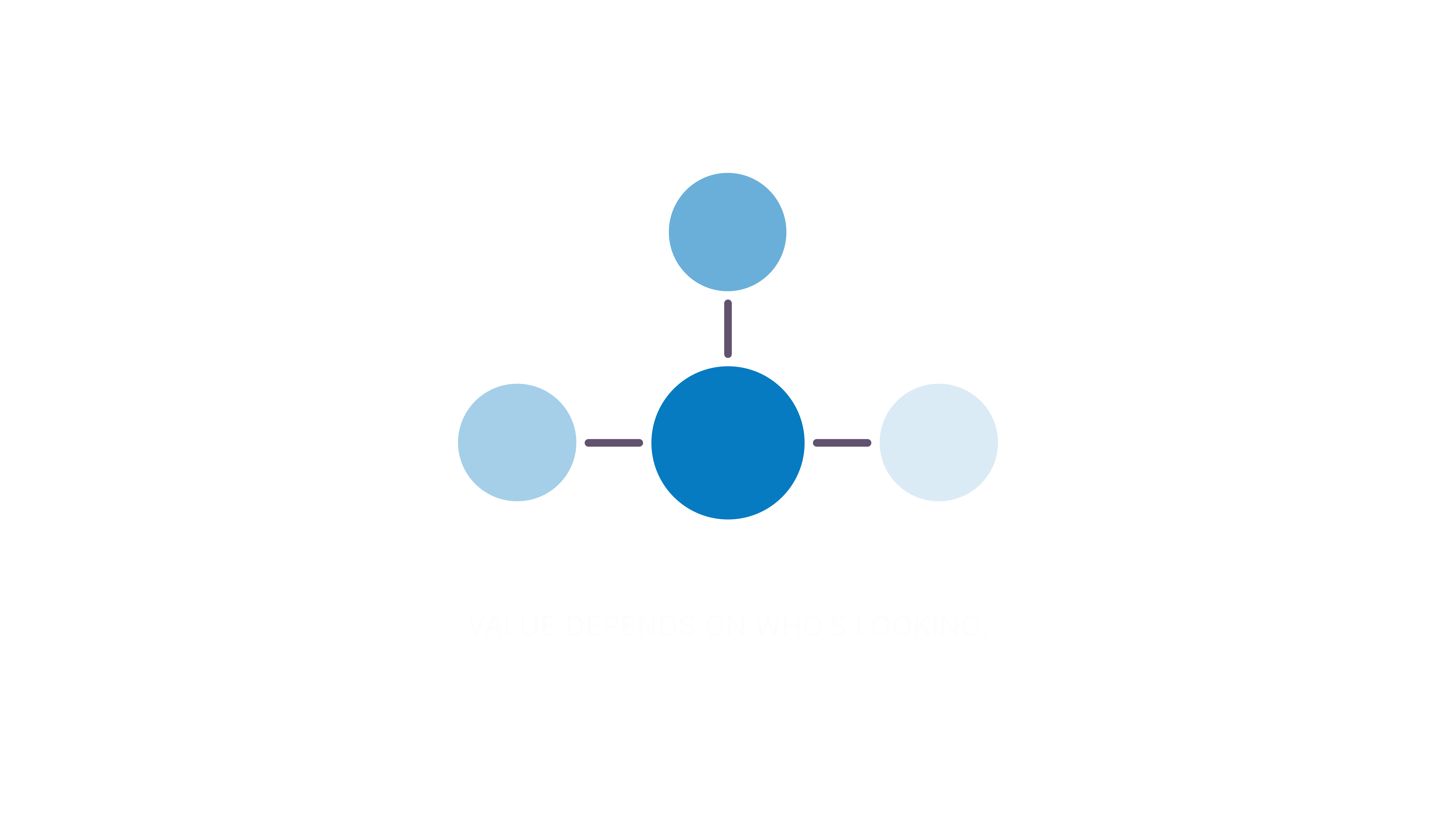
A simple way to approach stakeholder value is to define the decision each stakeholder controls:
Clinicians: adoption in practice, clinical trust, and willingness to use.
Proof that matters: decision quality, safety signals, clinical relevance, burden reduction.
Managers and operations: implementation approval, staffing, workflow integration.
Proof that matters: time saved, reduced bottlenecks, reliability, training burden, operational fit.
Payers and budget holders: sustainability, scale, justification of cost.
Proof that matters: measurable outcomes, avoided costs, resource utilization, clear target population, predictable implementation model.
If you use one generic “value” story, you often fail to convince everyone. The better strategy is to build a value package with shared core evidence and stakeholder-specific framing.
This is where combining RWE with targeted pilots becomes powerful. RWE can quantify baseline and potential impact. Pilots can prove real workflow and real-world feasibility. Together, they create a layered evidence story that can support adoption and procurement conversations.
Worthmed® supports teams by mapping stakeholder decisions, selecting the right endpoints, and producing evidence assets that are designed to convert interest into adoption steps.